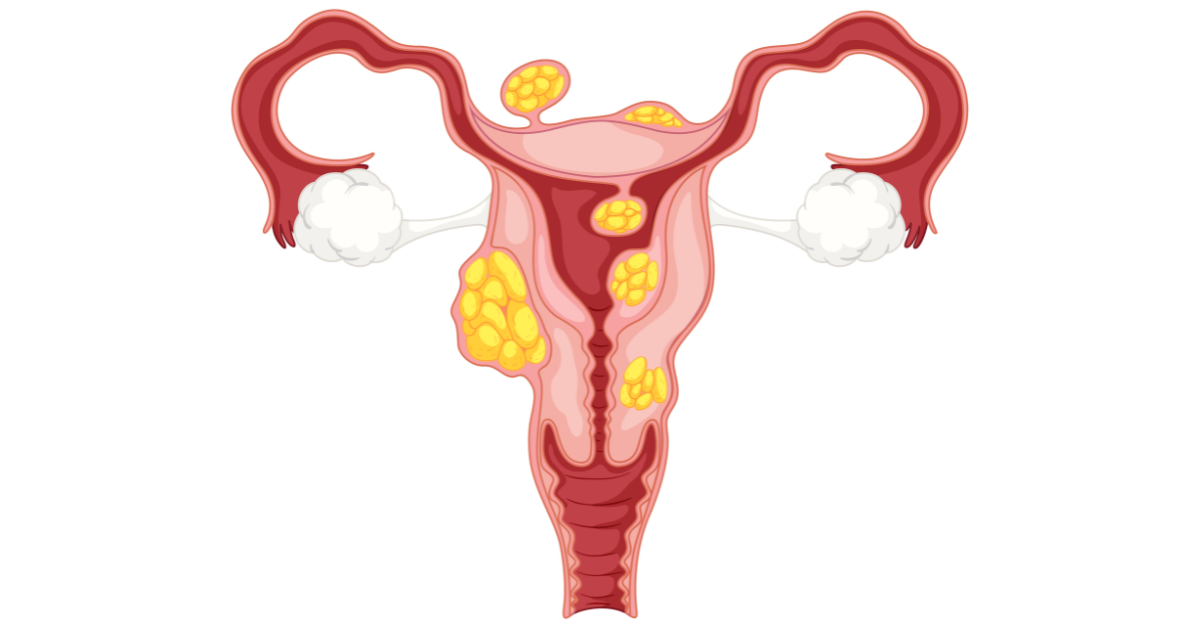
Uterine fibroids are non-cancerous growths that develop in or around the uterus. They are common among women during their reproductive years. Fibroids can vary in size and number, and many women may have them without noticing any symptoms. However, in some cases they can cause discomfort, heavy menstrual bleeding, or fertility problems.
Understanding the symptoms, causes, diagnosis, and treatment of uterine fibroids can help women seek timely medical care and manage the condition effectively.
Symptoms of Uterine Fibroids
Many women with uterine fibroids may not experience noticeable symptoms. When symptoms do appear, they usually depend on the size, number, and location of the fibroids. Common symptoms include:
- Heavy menstrual bleeding
- Longer or more frequent menstrual periods
- Pelvic pain or pressure
- Frequent urination
- Constipation
- Pain during intercourse
- Lower back or abdominal pain
In some cases, fibroids can also lead to fatigue due to anemia caused by heavy bleeding.
Causes of Uterine Fibroids
The exact cause of uterine fibroids is not fully understood, but several factors may contribute to their development:
- Hormonal factors: Hormones such as estrogen and progesterone may promote fibroid growth.
- Genetic changes: Some fibroids contain gene changes different from normal uterine muscle cells.
- Family history: Women with a family history of fibroids may have a higher risk.
- Growth factors: Substances that help body tissues grow may influence fibroid development.
Fibroids often grow during reproductive years and may shrink after menopause when hormone levels decrease.
Diagnosis of Uterine Fibroids
Doctors diagnose uterine fibroids through medical evaluation and diagnostic tests. Common diagnostic methods include:
- Pelvic examination
- Ultrasound imaging
- MRI scan
- Blood tests to check for anemia
These tests help determine the size, number, and location of fibroids and assist doctors in choosing the most suitable treatment plan.
Treatment of Uterine Fibroids
Treatment for uterine fibroids depends on the severity of symptoms, the size of the fibroids, and a woman’s overall health. In some cases, fibroids that cause no symptoms may only require regular monitoring.
Common treatment options include:
- Medications: Hormonal medicines to control bleeding and reduce fibroid size.
- Minimally invasive procedures: Techniques such as radiofrequency ablation to shrink fibroids.
- Myomectomy: Surgical removal of fibroids while preserving the uterus.
- Hysterectomy: Removal of the uterus, considered a permanent solution for severe cases.
Doctors may recommend the most appropriate treatment based on the patient’s symptoms and reproductive goals.
When to See a Doctor
Women should consult a doctor if they experience:
- Heavy or painful menstrual periods
- Persistent pelvic pain
- Bleeding between periods
- Difficulty emptying the bladder
- Ongoing fatigue or weakness
Early diagnosis and proper treatment can help manage symptoms and prevent complications.
If you experience symptoms related to uterine fibroids, consulting an experienced gynecologist in Indore can help identify the condition early and provide appropriate treatment for better reproductive health.