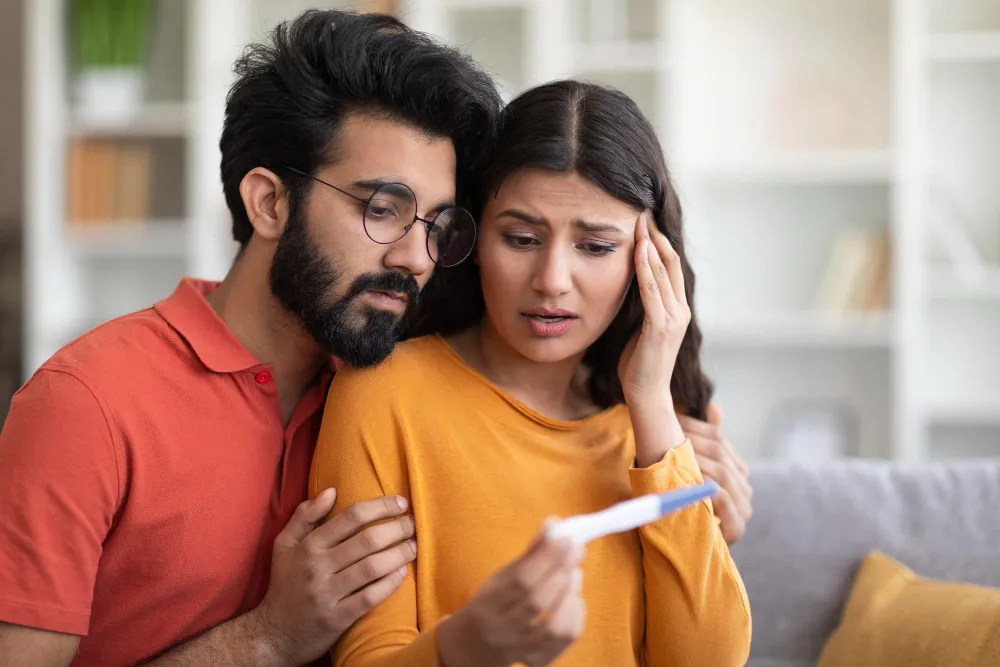
Female infertility refers to difficulty in conceiving or carrying a pregnancy due to various factors affecting reproductive health. Possible causes include challenges related to ovulation, fallopian tubes, uterus, egg reserve, hormonal balance, and other systemic health conditions. Infertility is common, often manageable with the right evaluation, and may involve multiple contributing factors rather than a single cause.
Since fertility concerns can involve either partner, a complete evaluation of both male and female factors is an important part of understanding the situation. Timely assessment becomes especially important because some fertility-related conditions may not show noticeable symptoms and reproductive potential can change with age.
For couples exploring an Ayurvedic approach, an Ayurvedic infertility specialist in Indore may assess individual factors such as Prakriti (body constitution), lifestyle, diet, stress levels, and overall reproductive wellness. At our ayurveda centre, experienced vaidyas provide personalised guidance based on Ayurvedic principles while recognising the importance of appropriate medical evaluation when required.
This page explains female-factor infertility, its possible causes, evaluation process, and the Ayurvedic perspective on reproductive health. A detailed consultation helps determine the most suitable approach based on individual needs.
How Conception Works — and Where It Can Falter
Natural conception requires a chain of events: an egg must mature and release (ovulation), travel through an open fallopian tube, meet sperm and be fertilised, and the resulting embryo must implant in a receptive uterus. A problem at any link reduces fertility. Female-factor infertility is therefore best understood by that chain — ovulation, tubes, uterus, egg quality and quantity — each assessable in turn.
Common Causes
- Ovulation disorders — PCOS is the commonest, alongside thyroid and other hormonal imbalances.
- Blocked or damaged fallopian tubes — often from past infection, endometriosis or surgery.
- Endometriosis — tissue growth that can affect ovaries, tubes and the pelvic environment.
- Uterine factors — fibroids, polyps, adhesions or structural differences affecting implantation.
- Diminished ovarian reserve and age-related decline in egg quantity and quality.
- Hormonal conditions and elevated prolactin.
- Unexplained infertility, where standard tests find no single cause.
Symptoms & Warning Signs
Infertility’s central ‘symptom’ is difficulty conceiving; some underlying causes also announce themselves:
- Irregular, very infrequent, absent or unusually heavy or painful periods.
- Signs suggesting hormonal imbalance — significant acne, excess hair growth, unexplained weight change (as in PCOS).
- Deep pelvic pain or pain during intercourse (which can accompany endometriosis).
- Recurrent pregnancy loss.
- Known history of pelvic infection, pelvic surgery or endometriosis.
Many women with tubal or early ovarian-reserve problems, however, have regular cycles and no symptoms — again underscoring evaluation over self-assessment.
Evaluation & Possible Treatments
Assessment follows the conception chain: confirming ovulation and checking hormones (including thyroid and prolactin), assessing ovarian reserve, examining the uterus and confirming tubal openness through imaging such as an HSG or ultrasound-based tests, and evaluating for conditions like PCOS or endometriosis. The male partner’s semen analysis is done in parallel.
Treatment is cause-directed: ovulation induction for ovulation disorders, correcting thyroid or prolactin imbalance, surgical treatment for certain tubal, uterine or endometriosis problems, and assisted reproduction (IUI, IVF, ICSI) where indicated. Age strongly influences approach and urgency. A reproductive specialist tailors the plan; many causes are treatable, and outcomes are individual.
The Ayurvedic View
Classical Ayurveda frames fertility through the concept of the four essentials — ritu (fertile timing), kshetra (a healthy uterus and reproductive ground), ambu (nourishment and reproductive fluids) and bija (healthy reproductive seed) — a holistic model in which conception depends on cycle, terrain, nourishment and gamete all being sound. Reproductive tissue (artava/shukra) is seen as the refined product of overall nourishment and balanced doshas, with Vata governing the movement of menstruation and ovulation.
This framework’s constructive emphasis is on the whole terrain of reproductive health — regular cycles, sound digestion and nourishment, healthy weight, managed stress and calm routine — which aligns with modern understanding of how conditions like PCOS and thyroid imbalance affect fertility. It is supportive ground best cultivated alongside medical evaluation, since structural causes such as blocked tubes or significant uterine problems require medical diagnosis and treatment.
Supportive Care & Foundations
- Seeking timely evaluation — earlier where cycles are irregular, periods painful, or age is a factor.
- Maintaining a healthy weight, since both excess and very low weight disrupt ovulation.
- Balanced nutrition and regular physical activity.
- Managing stress and prioritising regular, adequate sleep.
- Not smoking and limiting alcohol.
- Tracking cycles to understand ovulation timing.
- Managing underlying conditions — thyroid, PCOS, prolactin — under medical guidance.
When to See a Doctor
A couple should seek a fertility evaluation after 12 months of regular, unprotected intercourse without conception — or after 6 months if the woman is 35 years or older, as age can significantly influence fertility. Early assessment is also recommended in cases of irregular or absent periods, known conditions such as PCOS, endometriosis, or thyroid disorders, previous pelvic infections or surgeries, or recurrent pregnancy loss.
Fertility evaluation should involve both partners, as reproductive challenges can involve male, female, or combined factors. For personalised guidance and a comprehensive approach, couples seeking the best infertility treatment in Indore should consult experienced fertility specialists who can assess individual health factors and suggest an appropriate treatment plan.
Frequently Asked Questions
Where can I get Ayurvedic female infertility treatment in Indore?
We offers Ayurvedic female infertility treatment in Indore through personalized Ayurvedic care. Treatment plans may include herbal medicines, dietary guidance, lifestyle modifications, and supportive therapies based on individual reproductive health needs. For appointments, call +91-77778-38938.
Do you provide Ayurvedic infertility treatment in Indore for women?
Yes. We provide Ayurvedic infertility treatment in Indore with a holistic approach focused on supporting female reproductive health, hormonal balance, and overall wellness through customized Ayurvedic treatment plans.
Do you have an Ayurvedic doctor for female infertility in Indore?
Yes. Our experienced Ayurvedic doctor for female infertility in Indore evaluates menstrual health, lifestyle factors, medical history, and overall health before recommending a personalized Ayurvedic treatment plan.
What is natural female fertility treatment in Indore?
Natural female fertility treatment in Indore focuses on supporting reproductive wellness through Ayurvedic herbs, balanced nutrition, stress management, healthy lifestyle practices, and personalized care based on individual needs.
Can Ayurveda help with female infertility concerns?
Ayurveda focuses on improving overall health, supporting hormonal balance, maintaining healthy digestion, and promoting reproductive wellness through individualized treatment. The approach depends on the underlying cause and each woman’s health condition.
What female fertility problems can Ayurveda support?
Ayurvedic care may be considered for concerns such as irregular menstrual cycles, hormonal imbalance, PCOS-related fertility concerns, stress-related fertility issues, and general reproductive wellness after proper consultation.
Is Panchakarma recommended for female fertility treatment?
In selected cases, Panchakarma therapies may be recommended as supportive care to prepare the body and promote overall wellness. The suitability of any therapy depends on individual health conditions and is decided after an Ayurvedic consultation.
How long does Ayurvedic female infertility treatment take?
The duration of treatment varies depending on age, health condition, underlying fertility factors, lifestyle, and individual response to therapy. After consultation, our Ayurvedic doctor will recommend a personalized treatment plan and follow-up schedule.
What lifestyle changes support female fertility naturally?
A balanced diet, healthy weight management, regular exercise, stress management, adequate sleep, and following Ayurvedic dietary and lifestyle recommendations can support overall reproductive health.
How can I book an appointment for female infertility treatment in Indore?
To consult the experts At our ayurveda centre Center for Ayurvedic female infertility treatment, or natural female fertility treatment in Indore, call +91-77778-38938 to schedule your appointment. Our team will guide you through the consultation and personalized Ayurvedic care process.
What are the most common causes of female infertility?
Ovulation disorders (PCOS most commonly), blocked or damaged fallopian tubes, endometriosis, uterine factors like fibroids or polyps, and age-related decline in egg quality and quantity — often in combination.
Can I have a fertility problem with regular periods?
Yes — tubal blockage and early ovarian-reserve decline often occur with entirely regular cycles and no symptoms, which is why evaluation matters rather than relying on how you feel.
How much does age affect female fertility?
Substantially — egg quantity and quality decline with age, more steeply after the mid-30s, which is why evaluation is advised sooner (after six months) for women 35 and older.
Is infertility always a female problem?
No — a male factor is involved in roughly half of cases, so both partners are evaluated together as standard.
How is female infertility evaluated?
By following the conception chain: confirming ovulation, checking hormones (including thyroid and prolactin), assessing ovarian reserve, examining the uterus, and confirming the fallopian tubes are open, alongside the partner’s semen analysis.
How does PCOS cause infertility?
By disrupting regular ovulation — irregular or absent egg release makes conception harder. It’s the commonest ovulation disorder and is often manageable with weight, lifestyle and medical treatment.
Can blocked fallopian tubes be treated?
Depending on the cause and extent, some are treated surgically; where tubes remain a barrier, IVF bypasses them. A specialist advises based on individual findings.
How does Ayurveda understand female fertility?
Through the four essentials — ritu (timing), kshetra (uterine terrain), ambu (nourishment) and bija (seed) — a holistic model emphasising regular cycles, sound nourishment, healthy weight and managed stress alongside medical evaluation.
What lifestyle factors affect fertility?
Weight (both extremes), nutrition, activity, stress, sleep, smoking and alcohol all influence ovulation and reproductive health, and are foundations worth optimising while pursuing evaluation.
What is unexplained infertility?
When standard evaluation of both partners finds no single clear cause. It’s a recognised category, and treatment options still exist under specialist guidance.
Does stress cause infertility?
Chronic stress can affect cycles and wellbeing and is worth managing, but it’s rarely a sole cause; it shouldn’t delay evaluation of the medical factors above.
When should we seek help?
After twelve months of trying — or six months if the woman is 35 or older — and sooner with irregular periods, known PCOS/endometriosis/thyroid disease, pelvic infection or surgery history, or recurrent pregnancy loss. Evaluate together.
Learn More / Consult
This information is intended for general educational purposes only and should not be considered a substitute for an individual medical or Ayurvedic consultation. For a personalised assessment, you can consult the experienced Ayurvedic doctor in Indore At our ayurveda centre.
Call: +91-77778-38938
The clinic’s experienced vaidyas evaluate your Prakriti (body constitution), symptoms, lifestyle, and overall health to provide personalised Ayurvedic guidance and create a treatment approach suited to your individual needs.