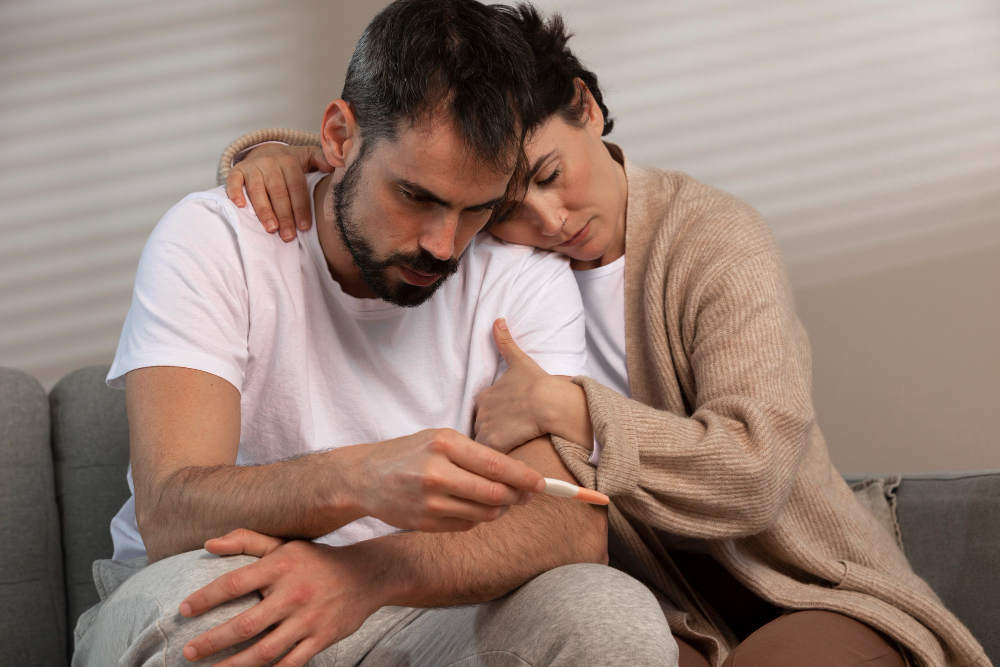
Ayurvedic Low Sperm Count (Oligospermia) Treatment in Indore
Low sperm count, medically known as oligospermia, refers to a lower-than-normal number of sperm in semen. It is one of the common findings during male fertility evaluation, but it should not be viewed as a final conclusion about fertility. A low count affects the probability of natural conception, yet many cases can improve when underlying factors are identified and addressed.
Sperm production takes around two to three months, and sperm count can naturally vary between tests. Therefore, a single semen analysis may not provide the complete picture. Proper evaluation helps understand whether factors such as lifestyle, nutrition, stress, hormonal changes, infections, or other health conditions are influencing sperm health.
If you are considering Ayurvedic treatment for low sperm count in Indore, a personalised assessment is important. At our ayurveda centre, experienced vaidyas evaluate individual health factors, Prakriti (body constitution), lifestyle habits, and reproductive wellness to provide suitable Ayurvedic guidance. Consulting a low sperm count specialist in Indore can help you understand the condition clearly and choose an appropriate approach based on your specific needs.
This page explains low sperm count, its possible causes, evaluation, and factors that influence sperm health. A balanced approach with proper assessment helps avoid both unnecessary worry and false reassurance.
What the Numbers Mean
Semen analysis reports sperm concentration (millions per millilitre) and total count, alongside motility and morphology. A count below the reference threshold is termed oligospermia; a very low count is severe oligospermia, and the complete absence of sperm is azoospermia — a distinct situation with its own causes and pathways. Crucially, count is only one factor: normal-count semen with poor motility or morphology can still impair fertility, and a modestly low count with excellent motility may still achieve conception.
Results are always interpreted in context and confirmed on repeat testing, because illness, abstinence interval, collection issues and normal variation all shift a single sample.
Effect on Fertility
A low count reduces the statistical odds per cycle rather than imposing an absolute barrier in most cases:
- Mild reductions may lower monthly chances modestly, with natural conception still possible.
- Moderate-to-severe reductions make natural conception harder and more time-dependent.
- The female partner’s fertility and age strongly influence the combined outlook.
- Assisted techniques (IUI, IVF, and especially ICSI, which needs very few sperm) can overcome even very low counts.
Causes & Contributing Factors
- Varicocele — enlarged scrotal veins, a leading and often correctable cause.
- Hormonal imbalances affecting the signals that drive sperm production.
- Infections and inflammation of the reproductive tract.
- Heat exposure to the testes — tight clothing, prolonged laptop-on-lap use, saunas, hot baths.
- Smoking, heavy alcohol, obesity and chronic stress.
- Anabolic steroids and certain medications, which can markedly suppress production.
- Undescended testes, genetic factors, prior injury or surgery, and some chronic illnesses.
- Environmental toxins and, gradually, advancing age.
Evaluation & Possible Treatments
Assessment repeats the semen analysis to confirm, adds hormone testing and scrotal ultrasound (which detects varicocele), and screens for infection; genetic tests are used in severe cases or azoospermia. Because sperm reflect the prior months, correctable factors are addressed and re-testing is timed accordingly.
Treatment targets the cause: varicocele correction, treating infection or hormonal imbalance, removing lifestyle drivers, and stopping suppressive substances. Where the count remains low, assisted reproduction — particularly ICSI, which can fertilise using a single sperm — offers effective routes to pregnancy. Many men see meaningful improvement; a specialist matches strategy to cause and to the couple’s overall picture.
The Ayurvedic View
In classical Ayurveda, sperm corresponds to shukra dhatu — the reproductive tissue regarded as the final, most refined product of the body’s nourishment chain. A healthy shukra therefore depends on every prior stage — digestion, nutrition and tissue formation — being sound, and on the avoidance of factors the texts identify as depleting: excess heat, overwork, chronic stress, poor diet and depletion of the bodily tissues. Vajikarana, the classical branch devoted to reproductive vitality, focuses on nourishing and protecting this essence.
The framework’s emphasis on foundational health — nourishment, rest, stress and avoidance of heat and depletion — aligns closely with the modern lifestyle factors known to affect sperm quality. It is genuine supportive ground, best cultivated alongside medical evaluation, since causes such as varicocele, obstruction or hormonal disorders need medical identification and treatment.
Supportive Care & Foundations
- Confirming the picture with repeat testing before drawing conclusions.
- Stopping smoking, limiting alcohol, and reaching a healthy weight.
- Avoiding testicular heat and abandoning anabolic steroids and unvetted supplements.
- Managing stress and maintaining regular, adequate sleep.
- Balanced, nourishing nutrition and regular activity.
- Treating infections and chronic illnesses well, under medical care.
- Allowing about three months before re-testing after making changes.
When to See a Doctor
A low count is usually first found during a couple’s fertility evaluation — advised after a year of trying, or six months if the female partner is over 35. Seek assessment sooner with a known testicular problem, prior injury or surgery, or sexual dysfunction. A testicular lump, swelling or pain needs prompt medical attention regardless of fertility plans, and a report of azoospermia (no sperm) warrants specialist evaluation.
Frequently Asked Questions
Where can I get Ayurvedic treatment for low sperm count in Indore?
We offers Ayurvedic treatment for low sperm count in Indore through personalized Ayurvedic care. Treatment plans may include herbal medicines, dietary guidance, lifestyle modifications, and supportive therapies based on individual reproductive health needs. For appointments, call +91-77778-38938
Do you have a low sperm count specialist in Indore?
Yes. Our experienced Ayurvedic doctors provide consultation for low sperm count concerns. A detailed evaluation of lifestyle, medical history, diet, and reproductive health is done before recommending a customized treatment plan.
Do you provide male infertility treatment in Indore?
Yes. We offer male infertility treatment in Indore through a holistic Ayurvedic approach focused on supporting reproductive wellness, improving overall health, and addressing factors that may affect male fertility.
Is there an Ayurvedic doctor for low sperm count in Indore?
Yes. Our Ayurvedic doctor for low sperm count in Indore provides personalized consultations and recommends treatment plans based on individual health conditions, lifestyle factors, and fertility-related concerns.
What is natural fertility treatment for men in Indore?
Natural fertility treatment for men in Indore focuses on supporting reproductive health through Ayurvedic herbs, nutritious diet plans, stress management, healthy lifestyle changes, and personalized Ayurvedic guidance.
Can Ayurveda help improve sperm count naturally?
Ayurveda focuses on improving overall health, supporting metabolism, managing stress, and promoting reproductive wellness through individualized treatment approaches. Results may vary depending on the underlying cause and individual response to treatment.
What are the common causes of low sperm count?
Low sperm count may be associated with various factors such as lifestyle habits, stress, nutritional deficiencies, hormonal issues, certain medical conditions, or environmental factors. Proper evaluation helps identify possible contributing factors.
How long does Ayurvedic treatment for low sperm count take?
The duration of treatment depends on the cause of low sperm count, overall health, lifestyle, and individual response to therapy. After consultation, our Ayurvedic doctor will recommend a personalized treatment plan and follow-up schedule.
What lifestyle changes support male fertility?
A balanced diet, regular exercise, adequate sleep, stress management, avoiding smoking and alcohol, maintaining a healthy weight, and following Ayurvedic lifestyle recommendations can support overall reproductive health.
How can I book an appointment for low sperm count treatment in Indore?
To consult the experts At our ayurveda centre Center for Ayurvedic treatment for low sperm count, male infertility treatment, or natural fertility treatment for men, call +91-77778-38938 to schedule your appointment. Our team will guide you through the consultation and personalized Ayurvedic care process.
Does a low sperm count mean I can’t have children?
Usually not by itself — it lowers the odds per cycle rather than making conception impossible in most cases, and treating the cause or using assisted techniques (especially ICSI) can overcome even very low counts.
Is count the only thing that matters?
No — motility (movement) and morphology (shape) matter too. A normal count with poor motility can impair fertility, while a modestly low count with strong motility may still achieve conception.
Why does one test not settle it?
Sperm production spans two to three months and counts fluctuate with illness, abstinence interval and collection factors, so results are confirmed on repeat testing before conclusions are drawn.
What is the difference between oligospermia and azoospermia?
Oligospermia is a low count; azoospermia is the complete absence of sperm in the semen — a distinct situation with its own causes and treatment pathways requiring specialist evaluation.
Can a low count improve?
Often yes — correcting a varicocele, treating infection or hormonal imbalance, and removing lifestyle drivers (smoking, alcohol, obesity, heat, steroids) can meaningfully improve counts over the production cycle.
How does heat affect sperm count?
The testes need to stay slightly cooler than core temperature; prolonged heat from tight clothing, laptops-on-lap, saunas or hot baths can lower production, and reducing it can help.
Do steroids and supplements affect count?
Anabolic steroids can suppress the body’s own sperm production markedly, and unvetted ‘performance’ supplements carry similar risks. Stopping them is an important step.
How does Ayurveda understand low sperm count?
As weakness or depletion of shukra dhatu — the refined reproductive tissue — dependent on sound nourishment and free from heat, stress and depletion, with vajikarana focused on nourishing this essence, alongside medical evaluation.
How long before lifestyle changes show results?
About three months, matching the sperm production and maturation cycle, is the usual interval before re-testing after making changes.
Can I still conceive with a very low count?
Yes — ICSI can achieve fertilisation using very few, or even single, sperm, so even severe oligospermia has effective pathways to pregnancy under specialist care.
Is a varicocele always the cause?
No, but it’s a common and often correctable one, which is why scrotal ultrasound is part of the standard evaluation. Many other causes and contributing factors exist.
Should both partners be assessed?
Yes — the couple’s combined fertility and the female partner’s age strongly influence the outlook, so joint evaluation guides the best strategy.
Learn More / Consult
This information is intended for general educational purposes only and should not be considered a substitute for an individual medical or Ayurvedic consultation. For a personalised assessment related to Ayurvedic treatment for low sperm count in Indore, you can consult the experienced Ayurvedic doctors At our ayurveda centre.
Call: +91-77778-38938
The clinic’s experienced vaidyas assess your Prakriti (body constitution), lifestyle, dietary habits, medical history, and reproductive health factors to provide personalised Ayurvedic guidance and develop an appropriate treatment plan based on individual needs.