Polycystic Ovary Syndrome (PCOS), also commonly referred to as PCOD in everyday conversations, is one of the most common hormonal conditions affecting women of reproductive age. It is associated with irregular ovulation, increased androgen levels, and changes seen in the ovaries on ultrasound. However, PCOS is not only a reproductive concern — it is also linked with metabolic and hormonal health, making a complete understanding and long-term management important.
Every woman’s experience with PCOS can be different. Some may have irregular periods, difficulty with ovulation, acne, unwanted hair growth, or weight-related concerns, while others may have fewer noticeable symptoms. Early recognition and a personalised approach can help manage symptoms, support hormonal balance, and reduce associated health risks.
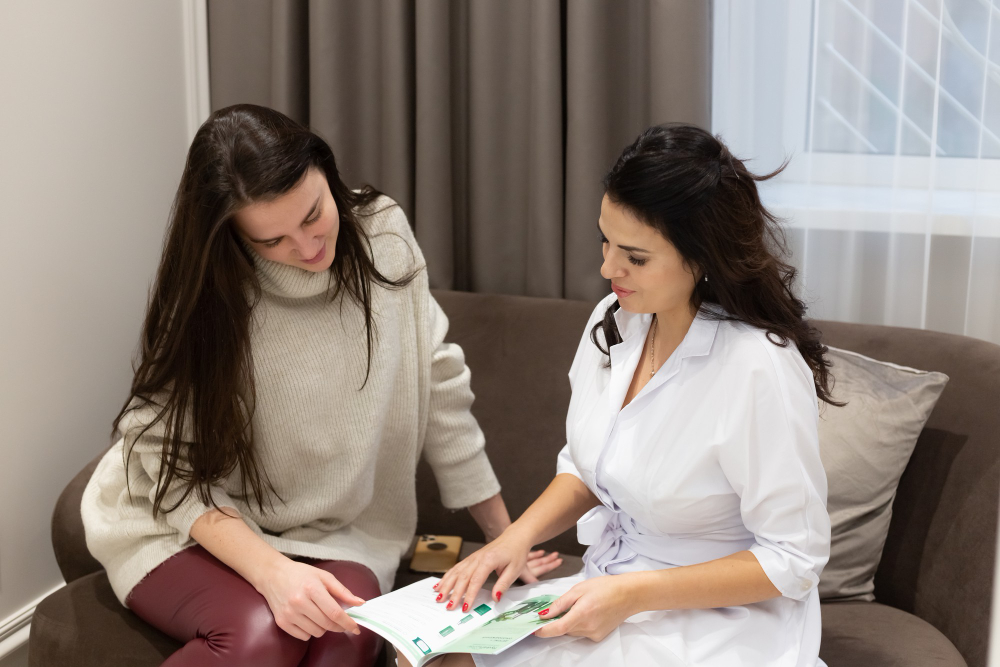
If you are considering Ayurvedic PCOS treatment in Indore, a detailed assessment is an important first step. At our ayurveda centre, experienced vaidyas evaluate factors such as Prakriti (body constitution), lifestyle, diet, menstrual patterns, and overall health to create a personalised Ayurvedic wellness plan. The approach focuses on supporting reproductive health through individualised guidance while considering the complete health profile of each woman.
This page explains PCOS, its causes, symptoms, evaluation, and the Ayurvedic perspective on hormonal wellness. Proper consultation helps determine the most suitable approach based on individual needs.
What Is PCOS? (and PCOS vs PCOD)
In PCOS, a hormonal imbalance disrupts the normal monthly release of an egg. Follicles that would normally mature and release an egg instead stall, showing up as multiple small follicles on ultrasound — the “polycystic” appearance (which are not true cysts). Insulin resistance sits at the centre of the picture for many women, driving both the hormonal disturbance and the metabolic features.
In common usage “PCOD” and “PCOS” are often used interchangeably, though some clinicians treat PCOD loosely as a milder ovarian pattern and PCOS as the fuller hormonal-metabolic syndrome. What matters clinically is the individual picture — cycles, hormones, metabolism and symptoms — rather than the label.
Common Symptoms
- Irregular, infrequent or absent menstrual periods.
- Difficulty conceiving due to irregular or absent ovulation.
- Signs of raised androgens — excess facial or body hair (hirsutism), persistent acne, scalp hair thinning.
- Weight gain or difficulty losing weight, often centred on the abdomen.
- Darkened skin patches (acanthosis nigricans) in some women, reflecting insulin resistance.
- Mood changes, and — importantly — some women have PCOS with few outward symptoms.
Causes & Contributing Factors
- Insulin resistance — a central driver for many, linking the hormonal and metabolic features.
- Raised androgen levels disrupting ovulation.
- A genetic and family-history component.
- Weight, which can worsen the condition (though lean women also have PCOS).
- Low-grade metabolic inflammation in many cases.
PCOS is best understood as a self-reinforcing cycle — insulin resistance and hormonal imbalance feeding each other — which is exactly why interventions that improve insulin sensitivity tend to improve the whole picture.
Health Effects Beyond Fertility
PCOS is a lifelong metabolic condition, not only a fertility one. Over time it carries increased risks of type 2 diabetes and prediabetes, unfavourable cholesterol patterns and cardiovascular risk factors, and — because infrequent periods mean the uterine lining is shed irregularly — a raised risk of endometrial changes that needs medical attention. Many women also experience impacts on mood, self-image and quality of life that deserve acknowledgement and support.
This lifelong framing is empowering rather than alarming: because lifestyle strongly influences insulin resistance, sustained management genuinely reduces these risks, and PCOS is one of the conditions where daily habits have outsized effect.
The Ayurvedic View
Classical Ayurveda does not name PCOS, but its features map onto a combined disturbance of doshas and channels — commonly involving Kapha and meda (fat tissue) obstruction alongside disturbed Vata governing the menstrual cycle, and impaired agni underlying the metabolic picture. This reading places digestion, metabolism and fat tissue at the centre — closely paralleling the modern insulin-resistance model.
The framework’s constructive emphasis — correcting metabolism through diet, activity, weight and routine, and steadying the cycle — aligns with the first-line modern management of PCOS. It is supportive ground best pursued alongside medical care, since PCOS needs proper diagnosis, monitoring of its metabolic and endometrial risks, and medical treatment where fertility, significant symptoms or metabolic complications are involved.
Management & Daily Care
- Sustained weight management where relevant — even modest loss can restore more regular cycles.
- A diet lower in refined carbohydrates and sugar, favouring whole foods, fibre and protein to improve insulin sensitivity.
- Regular physical activity, which directly improves insulin resistance.
- Consistent sleep and stress management, both of which influence hormonal balance.
- Not ignoring prolonged absence of periods — irregular shedding of the uterine lining needs medical review.
- Medical management as advised for cycle regulation, symptoms, fertility or metabolic risk.
- Long-term perspective — PCOS is managed continuously, not cured in a course.
Diagnosis & When to See a Doctor
PCOS is diagnosed through a proper medical evaluation that considers menstrual cycle history, signs or blood-test evidence of increased androgen levels, and ovarian ultrasound findings, while also ruling out other conditions that can cause similar symptoms, such as thyroid disorders or raised prolactin levels.
Consult a doctor if you experience consistently irregular or missed periods, persistent acne, increased facial or body hair growth, difficulty conceiving, or unexplained changes in weight and metabolism. Long gaps between periods should not be ignored, as timely evaluation helps identify the cause and supports appropriate management.
Frequently Asked Questions
What is the difference between PCOS and PCOD?
The terms are often used interchangeably in India. Some clinicians treat PCOD as a milder ovarian pattern and PCOS as the fuller hormonal-metabolic syndrome; what matters clinically is the individual picture, not the label.
Where can I get Ayurvedic PCOS treatment in Indore?
We offers Ayurvedic PCOS treatment in Indore through personalized Ayurvedic care. Treatment plans may include herbal medicines, dietary guidance, lifestyle modifications, and supportive therapies based on individual health conditions. For appointments, call +91-77778-38938.
Do you provide Ayurvedic PCOD treatment in Indore?
Yes. We provide Ayurvedic PCOD treatment in Indore with a holistic approach focused on supporting hormonal balance, menstrual wellness, metabolism, and overall reproductive health through customized Ayurvedic treatment plans.
Do you have an Ayurvedic doctor for PCOS in Indore?
Yes. Our experienced Ayurvedic doctor for PCOS in Indore evaluates menstrual history, lifestyle factors, diet, symptoms, and overall health before preparing a personalized Ayurvedic treatment plan.
What is natural PCOS treatment in Indore?
Natural PCOS treatment in Indore focuses on supporting hormonal health through Ayurvedic herbs, balanced nutrition, weight management guidance, stress management, regular exercise, and lifestyle modifications customized according to individual needs.
Do you provide Ayurvedic hormonal imbalance treatment in Indore?
Yes. We offer Ayurvedic hormonal imbalance treatment in Indore through personalized Ayurvedic care that may include herbal medicines, diet recommendations, lifestyle changes, and supportive therapies to promote overall hormonal wellness.
Can Ayurveda help manage PCOS symptoms?
Ayurveda focuses on improving overall health, supporting metabolism, maintaining hormonal balance, and promoting reproductive wellness through individualized treatment. The approach depends on the severity of symptoms and individual health conditions.
What PCOS-related concerns can Ayurveda support?
Ayurvedic care may support concerns related to PCOS such as irregular periods, weight management challenges, hormonal imbalance, acne, and fertility-related concerns after proper consultation and evaluation.
Is Panchakarma recommended for PCOS treatment?
In selected cases, Panchakarma therapies may be recommended as supportive care for PCOS management. The suitability of any therapy depends on the individual’s health condition and is decided after an Ayurvedic consultation.
How long does Ayurvedic PCOS treatment take?
The duration of treatment depends on symptoms, lifestyle, hormonal health, overall condition, and individual response to therapy. After consultation, our Ayurvedic doctor will recommend a personalized treatment plan and follow-up schedule.
How can I book an appointment for Ayurvedic PCOS treatment in Indore?
To consult the experts At our ayurveda centre Center for Ayurvedic PCOS treatment, PCOD treatment, or Ayurvedic hormonal imbalance treatment in Indore, call +91-77778-38938 to schedule your appointment. Our team will guide you through the consultation and personalized Ayurvedic care process.
Are there really cysts on the ovaries in PCOS?
The ‘polycystic’ appearance is many small immature follicles that stalled, not true cysts. The name is somewhat misleading — PCOS is fundamentally a hormonal-metabolic condition.
Is PCOS only about fertility?
No — it’s a lifelong metabolic condition carrying raised risks of type 2 diabetes, cholesterol and cardiovascular issues, and endometrial changes, alongside its fertility and cosmetic effects.
What causes PCOS?
Insulin resistance is central for many women, driving hormonal imbalance and raised androgens, with genetic and family-history components. It’s a self-reinforcing cycle, which is why improving insulin sensitivity helps broadly.
Can PCOS be cured?
It’s managed rather than cured — but management is highly effective. Lifestyle strongly influences it, and sustained care improves symptoms, restores more regular cycles and reduces long-term risks.
Can I get pregnant with PCOS?
Many women with PCOS conceive, sometimes after cycle regulation, weight and lifestyle measures, or medical ovulation support. PCOS is the commonest ovulation disorder but is often treatable for fertility.
Why does weight matter so much in PCOS?
Excess weight worsens insulin resistance, the central driver; even modest weight loss can restore more regular ovulation and improve symptoms. Lean women can also have PCOS, managed with the same metabolic focus.
How does Ayurveda understand PCOS?
As a combined disturbance — commonly Kapha-meda obstruction with disturbed Vata governing the cycle and impaired agni underlying metabolism — placing digestion, metabolism and fat tissue at the centre, paralleling the insulin-resistance model.
Why shouldn’t I ignore missed periods?
Infrequent periods mean the uterine lining is shed irregularly, which over time raises the risk of endometrial changes — so prolonged absence of periods needs medical review rather than waiting.
Does diet really affect PCOS?
Significantly — a diet lower in refined carbohydrates and sugar, with whole foods, fibre and protein, improves insulin sensitivity and is a first-line measure in modern and Ayurvedic thinking alike.
Can teenagers have PCOS?
Yes — it often emerges around adolescence with irregular cycles and androgen signs. Diagnosis in teens is made carefully, since some irregularity is normal early on; medical assessment guides it.
Is PCOS linked to diabetes?
Yes — through shared insulin resistance, PCOS raises the long-term risk of prediabetes and type 2 diabetes, which is why metabolic management and monitoring are part of care.
Learn More / Consult
This information is intended for general educational purposes only and should not be considered a substitute for an individual medical or Ayurvedic consultation. For a personalised assessment related to Ayurvedic PCOS or PCOD treatment in Indore, you can consult the experienced Ayurvedic doctors At our ayurveda centre.
Call: +91-77778-38938
The clinic’s experienced vaidyas assess your Prakriti (body constitution), symptoms, lifestyle, menstrual health, dietary habits, and overall wellness to provide personalised Ayurvedic guidance and develop a suitable treatment approach based on individual needs.