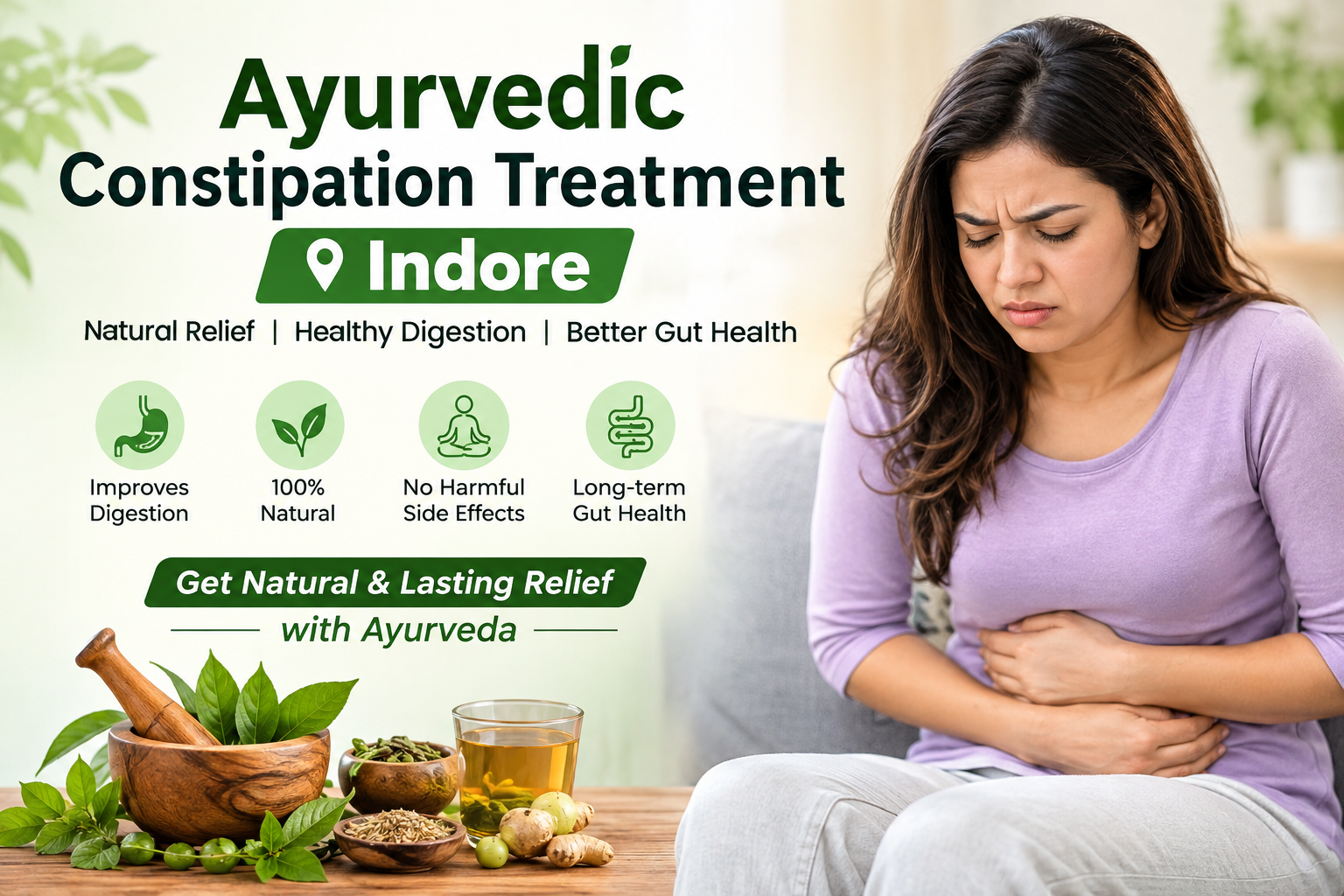
Constipation is a common digestive condition characterised by infrequent, difficult, or incomplete bowel movements. It is generally defined as having fewer than three bowel movements per week, along with hard or lumpy stools, excessive straining, or a feeling of incomplete evacuation. While occasional constipation is common and often improves with changes in diet and lifestyle, persistent constipation can affect daily comfort, digestive health, and overall quality of life.
What Counts as Constipation?
Normal bowel frequency varies widely between people, so constipation is defined by a change from one’s own normal and by difficulty — hard stools, straining, infrequency or incomplete evacuation — rather than by a fixed number alone. It may be short-lived, triggered by travel, diet change, dehydration or routine disruption, or chronic and ongoing. Distinguishing simple functional constipation from constipation that is new, persistent or accompanied by warning features is the key clinical distinction.
Common Causes & Contributors
- Low dietary fibre and inadequate fluid intake.
- Sedentary lifestyle and lack of physical activity.
- Ignoring or delaying the urge to pass stool, and irregular routine.
- Travel, stress and disruption of normal habits.
- Certain medications (including some painkillers, iron and others).
- Medical conditions — hypothyroidism, diabetes, IBS (constipation-predominant), and neurological conditions.
- Pregnancy and, in some, pelvic floor or structural factors.
Effects & Why Persistent Constipation Matters
Beyond discomfort, bloating and straining, chronic constipation can contribute to problems such as haemorrhoids and anal fissures from straining, and it meaningfully affects quality of life. More importantly, a change in bowel habit toward constipation — particularly when new, persistent, or in older adults — can occasionally signal an underlying condition that needs evaluation. This is why persistent constipation is worth assessing rather than simply managing indefinitely with over-the-counter laxatives, which are not intended for unmonitored long-term use.
The Ayurvedic View
Constipation sits squarely within Ayurveda’s understanding of Vata dosha, whose dry, cold, mobile qualities govern the colon and elimination. In classical framing, aggravated Vata — from irregular routine, dry or unsuitable food, inadequate intake, suppressing natural urges, or stress — dries and hardens the stool and disturbs the downward movement (apana vata) that governs elimination. This is why the condition is understood as fundamentally Vata-related, and why warmth, moisture, regularity and adequate nourishment are the classical correctives.
The framework’s emphasis — regular routine, adequate warm and unctuous nourishment, not suppressing natural urges, hydration and calming Vata — aligns closely with modern first-line advice for constipation (fibre, fluid, activity, routine). It is sound supportive ground. As always, persistent constipation, a marked change in habit, or any warning features should be medically evaluated first, and strong or habitual laxative use — including harsh herbal purgatives — is best avoided without guidance.
Prevention & Sensible Management
- Adequate dietary fibre from whole grains, fruits, vegetables and legumes, increased gradually.
- Sufficient fluid intake through the day.
- Regular physical activity, which supports bowel movement.
- Responding to the urge to pass stool rather than delaying it, and keeping a regular routine.
- Reviewing constipating medications with a doctor where relevant.
- Managing underlying conditions (thyroid, diabetes) properly.
- Avoiding reliance on stimulant laxatives long-term without medical advice; seeking assessment for persistent problems.
When to See a Doctor
See a doctor for constipation that is new and persistent (especially in older adults), a marked unexplained change in bowel habit, or constipation that doesn’t respond to sensible measures. Seek prompt evaluation for warning features: blood in the stool or black stools, unexplained weight loss, persistent abdominal pain, vomiting, a family history of bowel cancer or inflammatory bowel disease, or constipation alternating with diarrhoea of new onset. Severe symptoms such as an inability to pass stool or gas with significant pain and distension need urgent care.
Frequently Asked Questions
Where can I get the best Ayurvedic constipation treatment in Indore?
We offers best Ayurvedic constipation treatment in Indore with personalized care. Our Ayurvedic doctors recommend herbal medicines, dietary changes, lifestyle modifications, and appropriate therapies based on your individual health condition. To book an appointment, call +91 77778-38938.
Do you have an Ayurvedic doctor for constipation in Indore?
Yes. Our experienced Ayurvedic doctor for constipation in Indore evaluates your digestive health, body constitution (Prakriti), diet, and lifestyle before preparing a customized treatment plan to support healthy bowel function.
Do you provide natural constipation treatment in Indore?
Yes. We offer natural constipation treatment in Indore using Ayurvedic herbs, healthy dietary recommendations, hydration advice, yoga, and lifestyle modifications to help improve digestion and promote regular bowel movements naturally.
Can Ayurveda help with chronic constipation?
Ayurveda focuses on identifying the underlying causes of chronic constipation and supporting healthy digestion through personalized treatment. The treatment plan may include herbal medicines, dietary guidance, and Ayurvedic therapies based on the patient’s condition.
What actually counts as constipation?
Infrequent, difficult or incomplete bowel movements — commonly fewer than three a week with hard stools, straining or a sense of incomplete emptying — judged by a change from your own normal, since normal frequency varies widely.
What usually causes constipation?
Most often low fibre, inadequate fluid, inactivity, ignoring the urge to go, and routine disruption, plus certain medications and conditions like hypothyroidism, diabetes and constipation-predominant IBS.
How does Ayurveda view constipation?
As fundamentally a Vata disorder — the dry, cold, mobile qualities of Vata governing the colon become aggravated by irregular routine, dry food, poor intake, suppressing urges or stress — corrected with warmth, moisture, regularity and nourishment.
Can constipation cause other problems?
Yes — straining can contribute to haemorrhoids and anal fissures, and chronic constipation affects quality of life. A new or persistent change in habit can occasionally signal an underlying condition needing evaluation.
Is it bad to use laxatives regularly?
Occasional use is usually fine, but stimulant laxatives aren’t meant for unmonitored long-term use. Persistent constipation is better assessed and managed with diet, fluid, activity and routine, and medical advice where needed.
How much fibre and fluid do I need?
Adequate fibre from whole grains, fruits, vegetables and legumes — increased gradually to avoid bloating — with sufficient fluid through the day. A doctor or dietitian can advise on your individual needs.
Why does routine matter for bowel habit?
The bowel responds to regularity; irregular eating, travel, suppressing the urge and disrupted routine commonly trigger constipation, which is why consistent habits help — a point both modern and Ayurvedic advice share.
Can medications cause constipation?
Yes — some painkillers, iron supplements and other medications can, so if constipation coincides with a new medication, it’s worth reviewing with your doctor rather than just adding a laxative.
Is constipation linked to thyroid problems?
It can be — hypothyroidism slows gut movement and is a recognised contributor, which is one reason persistent unexplained constipation is worth evaluating for underlying conditions.
Does stress affect constipation?
Yes — stress and disrupted routine influence bowel function and can trigger or worsen constipation, which is why managing stress and keeping regular habits are part of sensible management.
When should constipation be medically checked?
For new persistent constipation (especially in older adults), a marked change in habit, or warning features: blood or black stools, unexplained weight loss, persistent pain, vomiting, or family history of bowel cancer or IBD.
Should I avoid harsh herbal purgatives?
Strong or habitual purgatives, herbal or otherwise, are best avoided without guidance — they can cause dependence and other problems. Gentle dietary and lifestyle measures and, where needed, medical advice are safer.
Learn More / Consult
This information is intended for general educational purposes only and should not be considered a substitute for an individual medical or Ayurvedic consultation. If you are looking for the best Ayurvedic constipation treatment in Indore or wish to consult an experienced Ayurvedic doctor for constipation in Indore.
An experienced vaidya will assess your Prakriti (body constitution), digestive health, and individual concerns to recommend a personalised Ayurvedic treatment plan.